The Subway Bread Baking Process: Why It Smells Like That
You can smell a Subway from half a block away, even with the doors shut. That warm, sweet, yeasty fog that hits you the second you step inside is not some aerosol marketing trick. It is the direct result of a 12-hour bread production cycle that starts the night before and fills every crack, crevice, and ceiling tile in the building with a scent that will never, ever leave. I have personally burned through jackets that still smelled like Italian Herbs & Cheese after a dozen washes. Here is what actually happens behind the counter during the Prep and Bake shift—and everything corporate training skims over.
The Dough Arrives Frozen (And That Is Not a Secret)
Subway employees are not artisan bakers mixing flour and yeast in the back room at 5 AM. The dough arrives at the store completely raw, formed into long, thin sticks, and frozen rock-solid in massive cardboard boxes stacked on pallets. Each box contains dozens of individually wrapped dough sticks, separated by bread type—Italian, Wheat, Italian Herbs & Cheese, and whatever specialty bread corporate is pushing that quarter.
Russell’s Note: The Sysco truck being late will ruin a prep shift faster than anything else. You learn to pivot immediately or the lunch rush will crush you.
Russell’s Note: Forget the fancy gadgets. Give me a sharp 8-inch chef’s knife and a 32oz deli container labeled with blue painter’s tape, and I can run any station.
The frozen dough sticks look nothing like bread. They are pale, rigid, and roughly the length of a ruler. First-time employees always ask, “That’s going to turn into a sub roll?” Yes. Through a process that is surprisingly easy to mess up, those skinny frozen sticks transform into the puffy loaves you recognize.
Step 1: The Retarder (The Night Before)
The bread timeline starts the night before service. The closing crew is responsible for pulling the correct number of frozen dough sticks out of the boxes, laying them on silicone baking forms (called bread molds), and placing them into the retarder—a specialized temperature-controlled refrigerator that holds between 36°F and 38°F.
Here’s the thing nobody tells you: the retarder is the most important piece of equipment in a Subway, and it is also the most neglected. The dough sits in this unit overnight to slowly thaw in a controlled environment without the yeast activating too aggressively. If someone on the closing crew accidentally bumps the retarder temperature up—even by just a couple of degrees—the yeast wakes up early. You will arrive in the morning to bloated, cratered dough sticks full of massive air pockets that collapse the second you try to score them. There is no fixing over-proofed dough. You throw it out and pull from the freezer, which puts you behind by at least two hours.
I have seen new hires stack the bread molds too close together inside the retarder, blocking the airflow vents. Result: uneven thawing. The sticks on the outside thaw perfectly while the ones in the center are still partially frozen. Getting the retarder load right is one of the most important closing responsibilities, and it is the one that gets the least attention in training.
Step 2: The Proofer (The Morning Of)
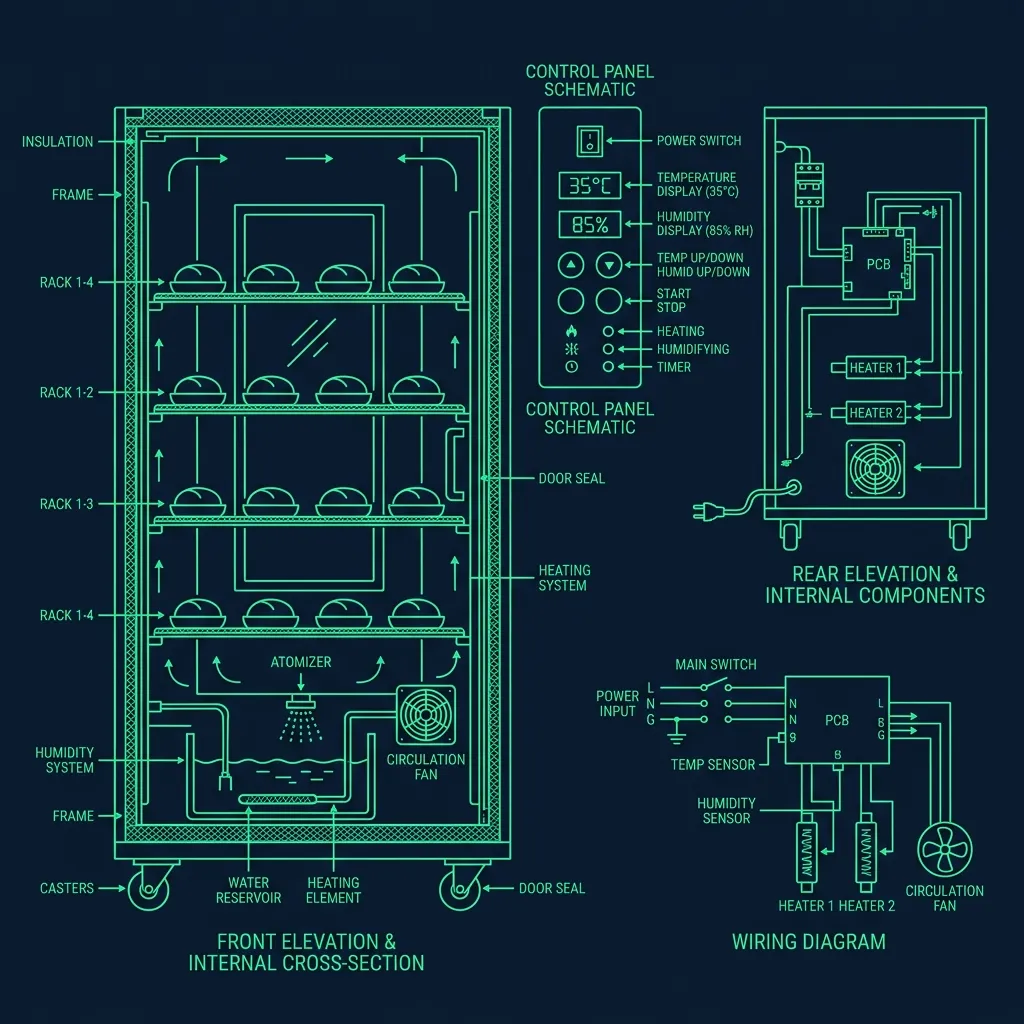
When the opener arrives—usually around 6:30 or 7:00 AM—the thawed dough goes directly into the proofer, a heated, high-humidity cabinet that looks like a tall metal closet with racks. The proofer runs at roughly 95°F to 100°F with about 80% humidity. The heat and moisture wake the yeast up, and the thin dough sticks begin to expand into puffy sub rolls.
Proofing takes about 60 to 75 minutes. Timing this step is critical. Under-proofed bread comes out dense, chewy, and undersized—customers will notice the rolls are smaller and complain. Over-proofed bread looks enormous but is full of air, tears apart when you try to cut it, and cannot support a loaded sandwich without disintegrating.
The test is simple: gently press the surface of the dough with one finger. If it springs back slowly and leaves a slight impression, it is ready. If it snaps back immediately, give it another 10 to 15 minutes. If your finger sinks in and the dough does not recover at all, you over-proofed it.
Keep the proofer door shut. Every time you open it to peek, you dump heat and humidity. Opening it three or four times during a cycle can add 15 minutes to the rise. Set a timer, trust the process, and check once when the timer goes off.
Step 3: Scoring, Seasoning, and Baking
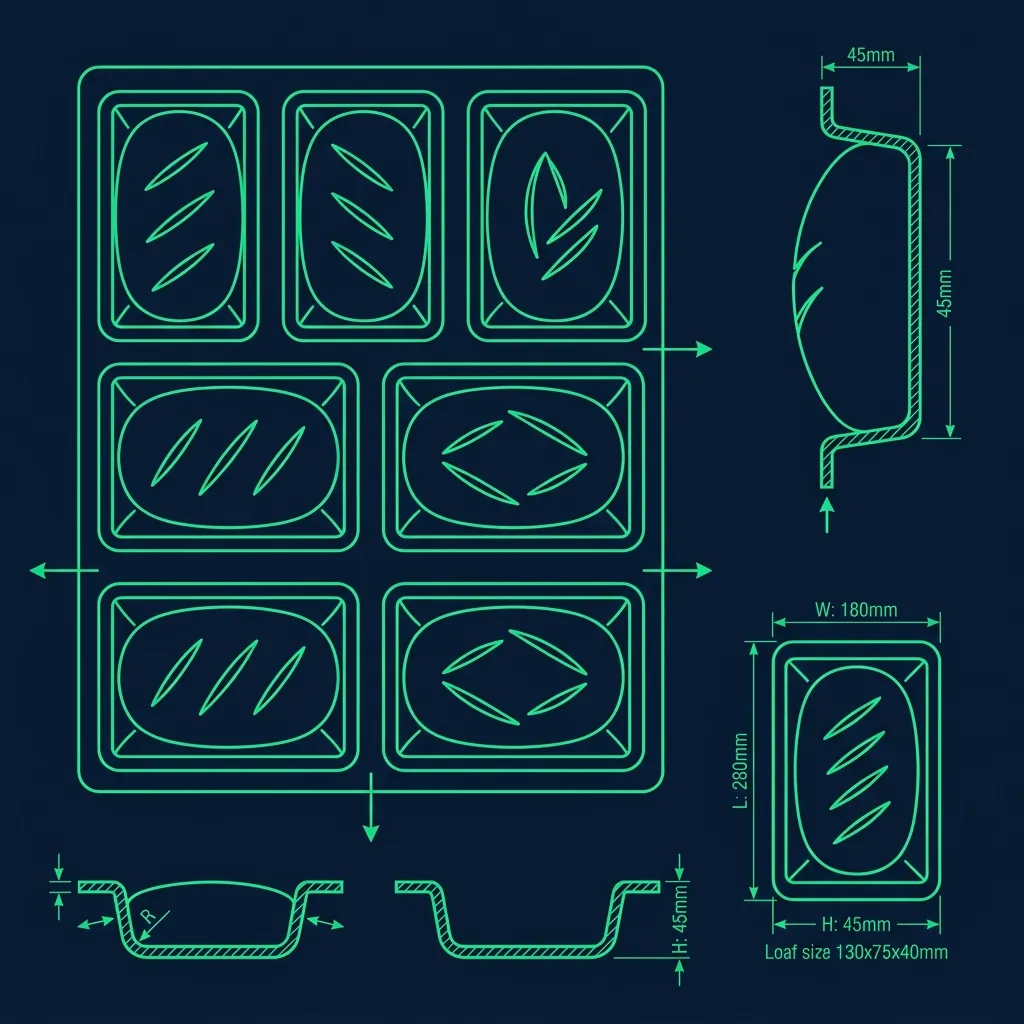
Before the proofed dough goes into the oven, the Sandwich Artist preps each loaf:
- Scoring: Using a sharp blade, cut 3 to 4 diagonal slashes about a quarter-inch deep across the top. This lets steam escape during baking so the bread expands cleanly instead of cracking randomly. New hires almost always make timid, shallow cuts. A shallow score seals back up in the oven and traps steam inside—the bread will crack in unpredictable places and look terrible.
- Seasoning: For Italian Herbs & Cheese, spray the raw dough with water, roll or dip it in the proprietary herb blend, and coat it heavily in shredded Monterey Cheddar. This step is messy and gets herbs absolutely everywhere.
- Baking: Into the oven for exactly 12 to 14 minutes at around 350°F to 375°F, depending on the oven model and calibration.
One thing corporate training glosses over: most Subway ovens have hot spots, usually toward the back wall. Halfway through the bake, rotate the pan 180 degrees so the loaves brown evenly. Skip this step and you end up with rolls that are golden on one end and pale and doughy on the other.
The Baking Schedule and Batch Management
A busy Subway does not bake bread once and call it a day. Bread is baked in cycles throughout the shift—typically a first batch for morning opening, a second batch right before the 11:00 AM lunch rush, and a third in the mid-afternoon to cover dinner. Each batch includes a mix of bread types based on projected sales.
Experienced Sandwich Artists develop an instinct for batch sizing. Bake too much and you waste product at closing. Bake too little and you run out of Italian Herbs & Cheese at noon, which is the fastest way to lose customers and earn a phone call from the owner. The daily bread count is one of the first numbers a franchise owner checks on the waste report.
Why Does It Smell Like That?
The legendary Subway smell comes from two sources. First, the dough has a higher sugar content than standard bakery bread, and that sugar caramelizes aggressively in the oven—producing a warm, almost cookie-like sweetness. Second, the Italian Herb seasoning bakes directly onto the silicone mats cycle after cycle, building up a residual scent layer that never fully comes off no matter how hard you scrub.
The combination is so potent that it permeates the walls, ceiling tiles, and HVAC system of the restaurant over time. Even when the ovens are cold and no bread is baking, a Subway location still smells like Subway because the scent has literally been absorbed into the building materials. Former Sandwich Artists report smelling it on their jackets, hair, and car seats long after they have clocked out. It is one of the most persistent occupational smells in the entire fast food industry, and personally, I still cannot walk past a Subway without a full flashback to my first opening shift.
Frequently Asked Questions
Does Subway actually bake fresh bread every day?
Yes. Bread is baked on-site every single day, often multiple times per day. However, the dough itself is not made from scratch in the store—it arrives frozen and pre-formed from a central supplier. The thawing, proofing, scoring, and baking all happen in the restaurant. Any bread remaining at the end of the day is discarded. It is never served the next day because it goes stale and loses its texture overnight.
Why does the bread taste different at different Subway locations?
The dough and ingredients are standardized across all locations, but small variations in oven calibration, proofing time, retarder temperature, and scoring technique produce noticeably different results. A store that slightly over-proofs will produce airier, softer bread. A store with a hotter oven will produce a crunchier crust. Employee skill and attention to the process make a bigger difference than most people realize.
Can customers request a specific bread that is not currently available?
If the store is out of a particular bread type, the Sandwich Artist will usually offer the closest available alternative. Baking a single loaf on demand is not practical because the proofing and baking cycle takes well over an hour. However, if you are a regular, you can ask the staff what time certain breads are typically baked and time your visit accordingly. Most stores are happy to share their baking schedule with repeat customers.
For more Subway behind-the-counter secrets, check out our guides on the Subway Bain Fill Line Rule, how to fold a Subway wrap without tearing it, and mastering the Subway POS system.