How the Starbucks "Pull to Thaw" Pastry System Works
When you see a display case full of perfectly golden croissants, neatly arranged muffins, and rows of cake pops at Starbucks, you might assume a baker arrived at 4:00 AM to make them fresh. The reality is very different. Every single pastry in that case arrived at the store frozen solid in a cardboard box. What makes them look and taste fresh is a carefully calculated logistics system called the Pull to Thaw, and getting it wrong means either empty pastry cases that cost the store hundreds in lost sales or overflowing trays of stale food that go straight into the waste bin. I’ve overseen this process across multiple shifts, and here’s exactly how it works behind the scenes.
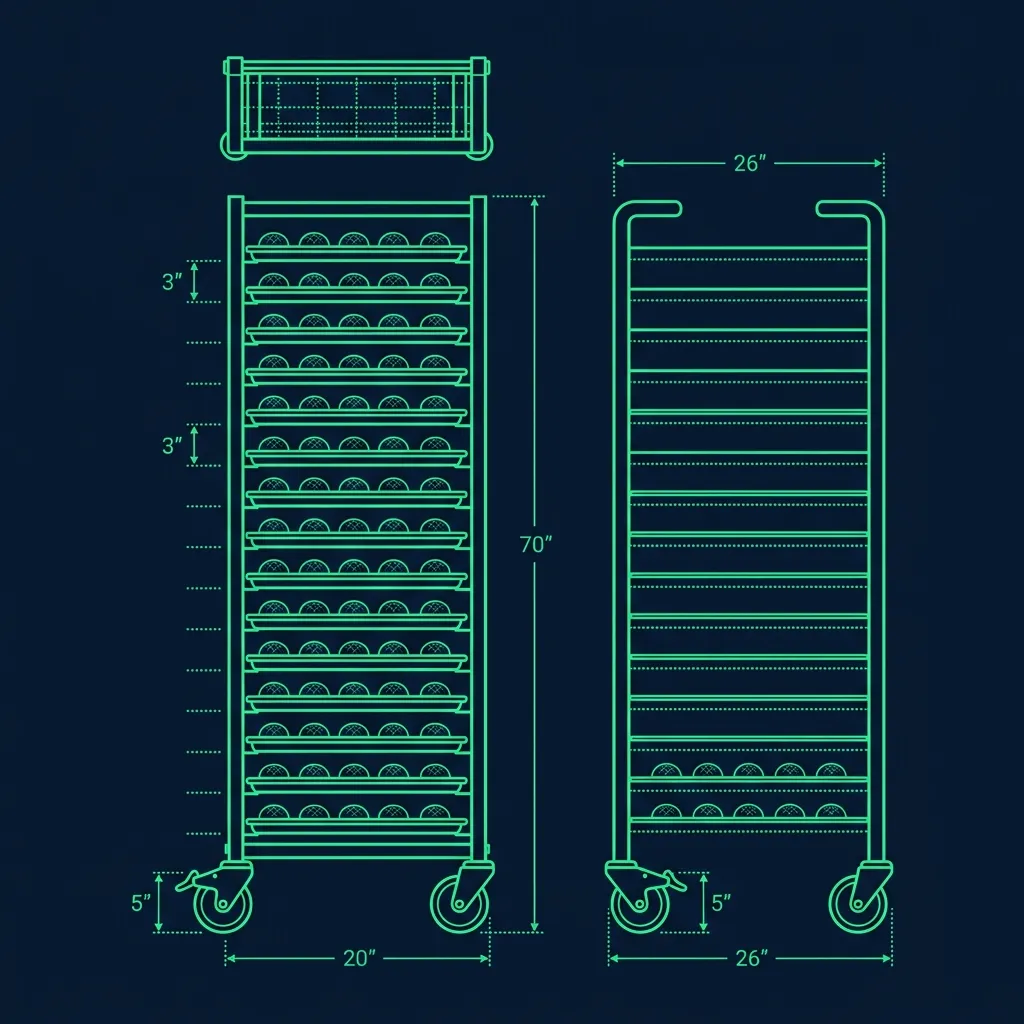
The 18-Hour Thaw Cycle
Russell’s Note: The Sysco truck being late will ruin a prep shift faster than anything else. You learn to pivot immediately or the lunch rush will crush you.
Russell’s Note: Any BOH veteran will tell you: the walk-in cooler is the only soundproof place to take a 30-second mental break when the KDS screen is totally full.
You can’t take a frozen Lemon Loaf out of a box and hand it to a customer. Almost all Starbucks pastries require a gradual, controlled thawing process at room temperature to preserve their moisture and texture. A croissant that gets microwaved or oven-blasted to speed up the thaw comes out rubbery and wrong. A muffin that thaws too fast develops a hard, crusty top instead of the soft dome customers expect.
The full thaw takes approximately 18 hours. That means the pastries you buy at 7:00 AM on Wednesday were physically pulled from the walk-in freezer by a Shift Supervisor on Tuesday afternoon, typically between 1:00 PM and 3:00 PM. The timing is precise for a reason: pull too early and the pastries will be past their shelf life before the store sells through them. Pull too late and the morning crew opens to empty pastry trays and furious early-bird customers who just want a butter croissant with their latte.
Here’s the thing nobody tells new partners about the thaw timing: it doesn’t just depend on the clock. Ambient temperature matters too. During summer months, when the back-of-house area can run warm, pastries may thaw slightly faster than expected. During winter, when the store runs cooler, they might take a full 20 hours. Experienced SSVs learn to account for this and may adjust their pull time by an hour depending on the season.
The iPad Algorithm: Data-Driven Pastry Counts
The Shift Supervisor doesn’t just eyeball the freezer and guess how many Cheese Danishes to pull. They use an application on the store’s iPad that runs a surprisingly sophisticated forecasting algorithm.
The system analyzes historical sales data—“Last Tuesday we sold 45 Cheese Danishes and 22 Butter Croissants”—and cross-references it with current on-hand inventory. It then tells the SSV exactly how many of each item to pull from the freezer and place onto the rolling baker’s racks.
The algorithm also factors in seasonal trends, local events, and promotional launches. If corporate just dropped a new limited-time Raspberry Scone, the system ramps up the suggested pull count for the first few weeks and then scales back as the novelty fades and actual sales data flows in.
But here’s the operational reality: the algorithm gets it right about 90% of the time. The other 10% is where human judgment matters. An experienced SSV will manually adjust for things the system cannot predict—a massive college football game that will double foot traffic on Saturday morning, a snowstorm that will cut traffic in half, or the fact that the neighboring office building just went fully remote and Tuesday mornings are suddenly dead. Learning when to trust the algorithm and when to override it is one of the hardest parts of the SSV role.
The Dating System: Shelf Life Is Non-Negotiable
Once the pastries are pulled and arranged on trays, the most critical part of the process begins: dating. Every single pastry has a specific shelf life once it begins to thaw, and there is zero flexibility on this.
- 2-Day Items: Cookies, brownies, loaf cakes, and other dense, shelf-stable items typically get a 2-day window from the time they’re pulled.
- 1-Day Items: Croissants, bagels, scones, and anything that dries out quickly expire at the end of a single day.
The SSV uses a pricing gun or specialized day-dot stickers to mark every single tray with the pull date and the expiration date. If a barista serves a pastry past its Use By date, it’s a quality control violation that can show up on audits and store evaluations. I’ve seen stores get dinged on Operational Assessments specifically because a closer forgot to pull expired items off the case.
What Happens to Expired Pastries
At the end of each day, baristas perform a food count to identify every item that has hit or passed its Use By date. These pastries cannot be sold. They cannot be refrozen. They cannot be set aside “just in case.”
Many Starbucks locations participate in the FoodShare initiative, which donates unsold food to local food banks and community organizations. Items that can’t be donated for logistical reasons get marked out through the POS system as waste. And here’s the smart part: the waste data feeds directly back into the Pull to Thaw algorithm. If Blueberry Muffins are consistently getting thrown away on Mondays, the system gradually reduces the recommended pull count for Mondays until waste stabilizes. It’s a self-correcting loop.
Freezer Organization: FIFO or Chaos
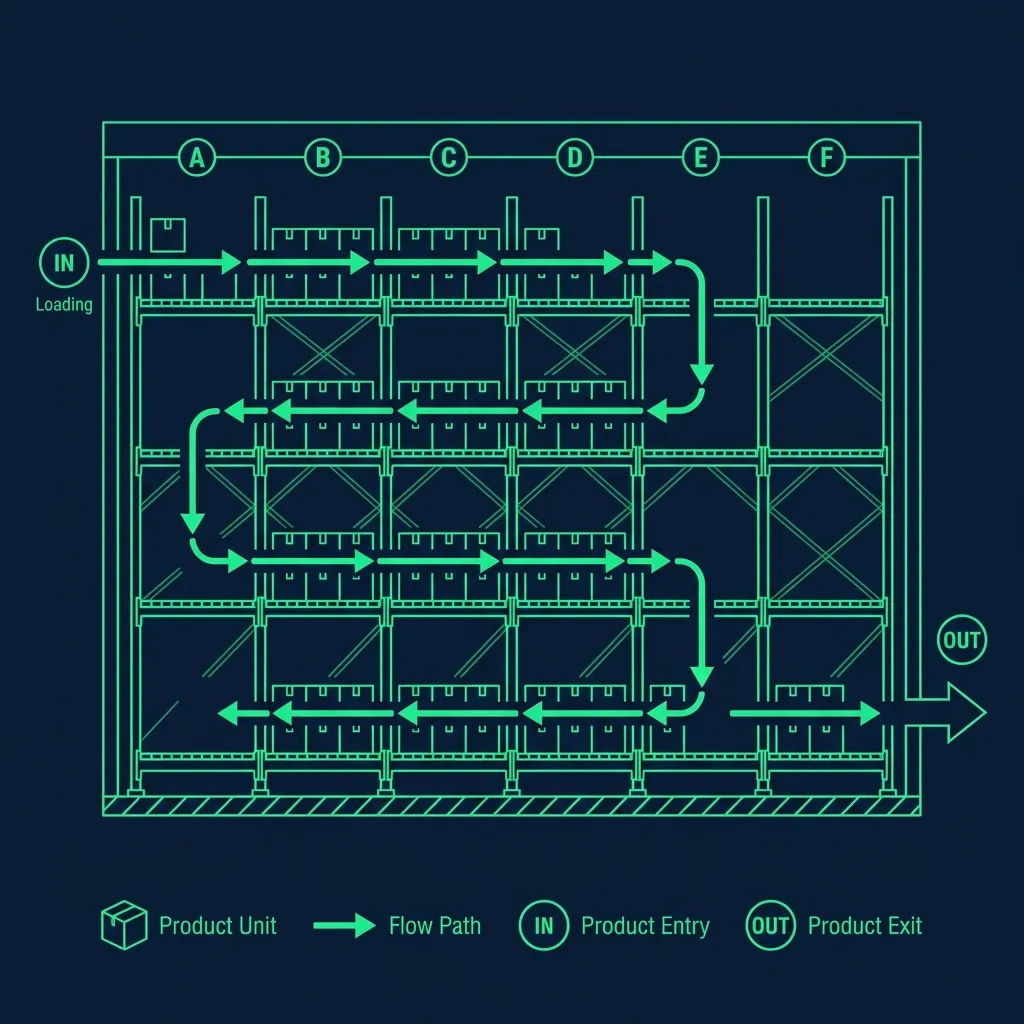
The walk-in freezer has to be organized using strict First In, First Out (FIFO) rotation. New shipments go to the back of the shelves. Older boxes get moved to the front so they’re always pulled first.
If someone shoves a fresh delivery in front of an older box—and I’ve watched this happen with new partners who are trying to move fast during a truck delivery—the older pastries can sit buried in the back long enough to develop freezer burn. Freezer-burned pastries thaw into dry, discolored, flavorless versions of themselves that customers will absolutely notice and complain about.
The freezer should be reorganized after every delivery. It takes five extra minutes and prevents entire boxes of product from being wasted. This is the same FIFO principle used at operations like Panera’s overnight bake and virtually every professional kitchen in the industry.
Pro Tips for the Pull to Thaw
- Count twice, pull once. Frozen pastry boxes look nearly identical. It’s incredibly easy to grab 12 Butter Croissants instead of 12 Cheese Danishes when you’re pulling fast in a cold freezer. Read the label carefully, count against the iPad list, and double-check before you leave. Repulling incorrect items wastes time and messes up your inventory.
- Stagger your trays on the rack. Leave a gap between trays for airflow. If trays are stacked tightly against each other, the pastries in the center of the rack thaw unevenly—some items are still partially frozen by morning while the outer items are fully thawed and already aging.
- Communicate with the closing crew. Let the closing baristas know where on the rack you placed the fresh pull so they don’t confuse today’s thawed-out pastries (which need expiration checks) with tomorrow’s pull (which is still mid-thaw). A simple note on the rack or a verbal handoff prevents expensive mix-ups.
Frequently Asked Questions
Can you microwave a frozen pastry if the store runs out of thawed ones?
No. Starbucks policy explicitly prohibits using a microwave or oven to speed-thaw a frozen pastry for a customer. The texture and moisture profile will be completely wrong—croissants come out rubbery, muffin tops turn hard and dense. If the store runs out, you tell the customer the item is unavailable and suggest an alternative. It stings to lose the sale, but serving a bad product is worse.
Who is responsible for the Pull to Thaw—the barista or the Shift Supervisor?
The Pull to Thaw is officially a Shift Supervisor responsibility. They access the iPad, review the algorithm’s recommendations, and make the final call on quantities. However, baristas are often asked to physically pull the boxes from the freezer and arrange the trays under the SSV’s direction. Think of it as the SSV owns the decision, and the baristas execute the labor.
What happens if someone forgets to do the pull entirely?
It’s a serious operational failure. The morning crew opens with an empty pastry case, which means lost sales and unhappy customers for the entire first half of the day. Most stores build the pull into the mid-shift task list and the SSV playbook specifically to prevent this. If it does get missed, the opening SSV will do an emergency pull, but those pastries won’t be ready until late morning at the earliest—well after the peak pastry demand window has passed.