Starbucks Mastrena II: Espresso Calibration
If you stand at the hand-off plane of any high-volume Starbucks location, you will see a massive, low-profile machine dominating the hot bar. This is the Mastrena II, a piece of equipment so central to the Starbucks operation that a single breakdown can instantly back up the entire store and ruin the morning rush.
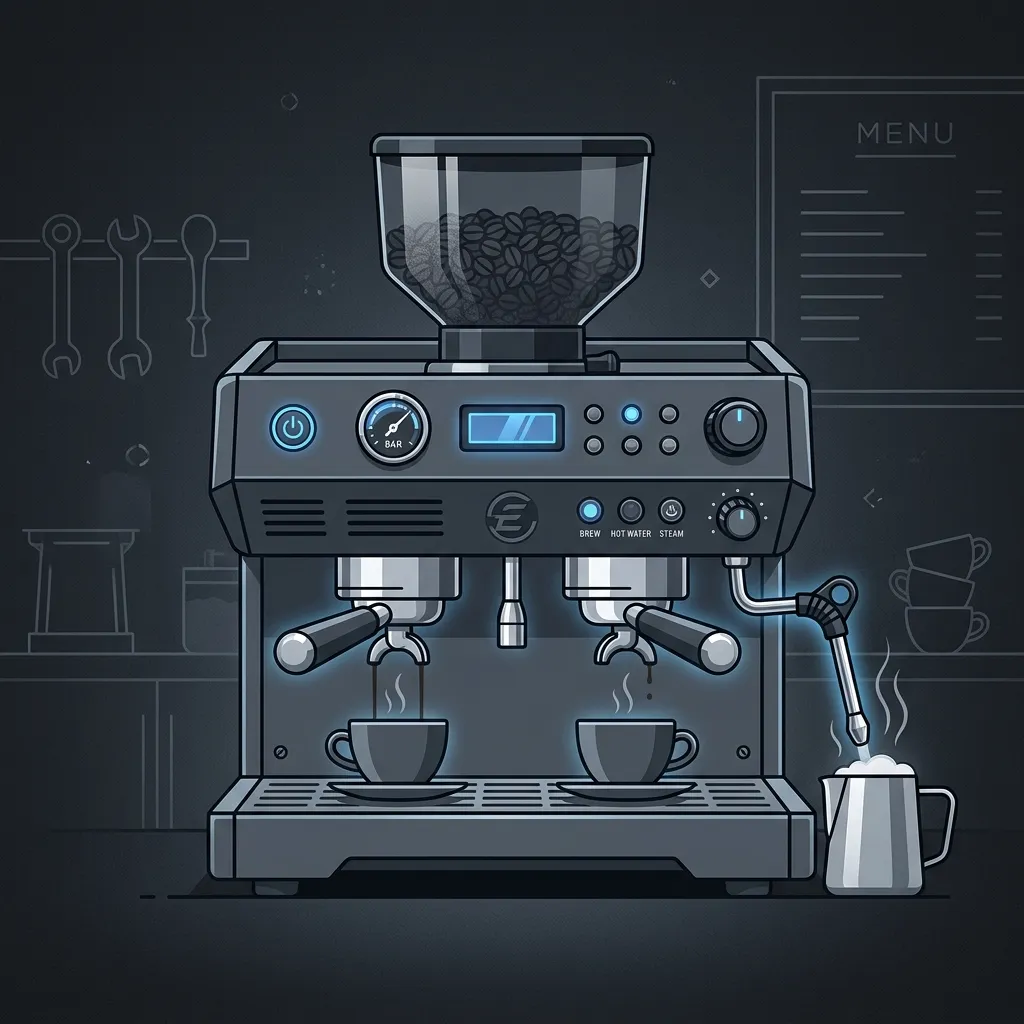
The jump from the original Mastrena to the Mastrena II was a massive technological shift for the company. The newer machines are shorter, allowing baristas to make eye contact with customers while pulling shots, and they feature three separate bean hoppers (usually holding signature espresso, blonde espresso, and decaf).
But the real magic of the Mastrena II happens behind the digital screen. Here is how veterans run the hot bar, pull the perfect shot, and keep the machine from locking up in the middle of a rush.
The 18 to 23 Second Rule
Pulling espresso is entirely about extraction time. If water pushes through the espresso grounds too fast, the coffee is under-extracted—it tastes sour and thin. If it pushes through too slowly, the coffee is over-extracted—it tastes burnt, bitter, and harsh.
At Starbucks, the golden window for a perfect shot of espresso is strictly between 18 and 23 seconds. When a barista queues up a double shot, they watch the digital display on the Mastrena II. The machine grinds the beans, tamps the puck internally, and pulls the water through. The screen flashes the exact time the shot took to pull.
If the screen reads 20 seconds, the shot is perfect, and it goes into your latte. If the screen reads 14 seconds, the shot is dead and must be dumped down the drain. A good barista on hot bar will never serve a shot outside that 18-23 second window, even if it means remaking the drink and slowing down their ticket time.
Auto-Calibration and the Grind
In a traditional coffee shop, the barista manually adjusts the burr grinder throughout the day. Changes in humidity, temperature, and bean age require tiny tweaks to the grind size to keep the extraction time perfect.
The Mastrena II automates this, but the barista still has to guide it. The machine constantly monitors its own shot times. If it pulls three consecutive shots at 16 seconds (too fast), the internal computer recognizes that the coffee is under-extracting. It will automatically adjust the internal burrs to grind the beans finer for the next shot, slowing the water down.
However, the machine can only adjust in tiny increments. If the barista pulls a terribly fast shot (say, 12 seconds), they have to manually intervene. They twist the small calibration knob on the front of the machine, forcing it to recalibrate faster, and then pull “throwaway” shots until the timer creeps back up into the 18-23 second range.
The Mid-Day Pill Cycle
Espresso machines build up massive amounts of coffee oils and scale inside their internal plumbing. If left uncleaned, these oils turn rancid, completely ruining the taste of the coffee.
To combat this, Starbucks enforces a strict cleaning regimen known as “pilling the machine.” Three times a day, the barista grabs a specialized Cafiza cleaning tablet (the “pill”). They drop it into a specific chamber on top of the machine and initiate the cleaning cycle via the touchscreen.
The machine locks out all other functions and runs hot water mixed with the cleaning chemical through its internal components, flushing the oils out into the drain tray. The entire process takes about five minutes. During a rush, taking a machine offline for five minutes is agonizing, which is why veteran shift supervisors perfectly time their pill cycles for the slight lulls between the morning peak and the afternoon rush.
The “Please Rinse” Prompt
If you ever see a barista look at the espresso machine and let out an exasperated sigh, there is a very high chance the screen is flashing two words: “Please Rinse.”
The Mastrena II is heavily programmed to protect itself. If it sits idle for too long, or if it pulls a certain volume of shots without being cleaned, it refuses to function until a rinse cycle is run. The barista has to put a steaming pitcher under the spout and press the rinse button. It only takes about 15 seconds, but when you have twenty stickers hanging off the bar and the drive-thru timer is flashing red, those 15 seconds feel like an eternity.
The smartest baristas build the rinse cycle into their routine. Instead of waiting for the machine to lock them out, they hit the rinse button manually the second they finish a rush, ensuring the machine is primed and ready when the next wave of customers hits.
Frequently Asked Questions
Why do baristas pull shots into those tiny shot glasses instead of directly into the cup?
It depends on the drink! For standard hot lattes, the shots usually pull directly into the paper cup to save time and preserve the crema. But for iced drinks, caramel macchiatos (where the shots go on top), or measuring exact quantities, baristas pull the shots into heavy shot glasses with measurement lines.
What happens if the Mastrena II breaks?
It’s a massive problem. Starbucks stores usually have two Mastrena II units. If one goes down, the entire store has to route all hot bar drinks through a single machine, instantly doubling ticket times. Store managers have emergency service lines they call, and technicians usually arrive within hours.
Does the machine tamp the espresso itself?
Yes. Unlike a manual machine where the barista physically presses down on the coffee grounds with a heavy tamper, the Mastrena II is a super-automatic machine. It grinds, doses, and tamps internally with a mechanical piston before pulling the water through. This guarantees consistency across thousands of stores worldwide.