How Does the Sonic Drive-In Switchboard Actually Work?
At most fast food joints, taking drive-thru orders means one lane, one headset, one conversation at a time. Sonic Drive-In threw that entire concept out the window. Between twenty to thirty individual parking stalls, a standard drive-thru lane, and a constant stream of mobile orders, the person running the Sonic switchboard is essentially operating an air traffic control tower for cheeseburgers and Cherry Limeades. I’ve trained switchboard operators who picked it up in a week and others who never quite got comfortable with the organized chaos. Here’s exactly how it works and what nobody tells you about the job.
The Physical Switchboard Console
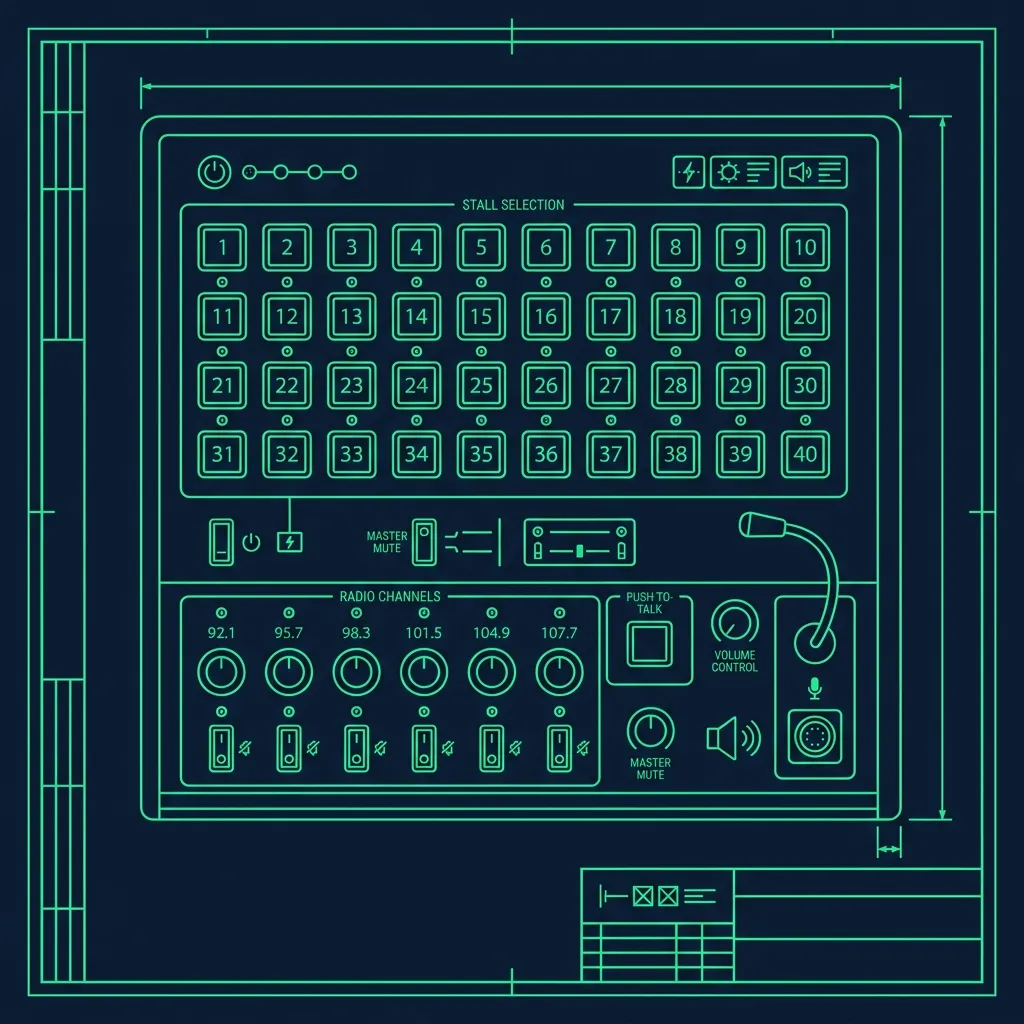
Russell’s Note: When your KDS screen is going red on a Friday night, the last thing you want is a broken line. You have to run a 120-second window or you’re dead in the water.
Russell’s Note: When you’re in the weeds on a Friday night, the last thing you want is a broken line. Turn and burn. That’s the only way you survive until close.
Depending on how old your Sonic location is, the switchboard is either a massive physical console covered in numbered buttons that glow red when pressed, or a large touchscreen monitor that does the same thing digitally. Both accomplish the same task, but the experience of using them is surprisingly different.
The older physical consoles have a tactile advantage. You can feel the buttons under your fingers, which matters when you’re reaching for Stall #14 without looking down because you’re simultaneously punching an order into the POS. The touchscreens are sleeker and easier to maintain, but I’ve watched new hires accidentally tap the wrong stall number because the on-screen icons are small and their fingers are greasy from handling food.
Here’s how the core mechanic works: when a customer pulls into Stall #14 and presses the big red button on the menu board outside, Button #14 on the switchboard starts flashing red and a loud tone fires through the operator’s headset. The operator presses that button to open a two-way radio channel to that specific stall’s speaker. They greet the customer, take the order, punch it into the POS, hit “Send,” and move on to the next flashing light.
The thing nobody tells you is that the audio quality varies wildly from stall to stall. Some intercoms are crystal clear. Others—especially the ones that have endured years of Texas heat, Gulf Coast humidity, or Midwest ice storms—produce a muffled, crackly signal that makes “Mozzarella Sticks” sound indistinguishable from “a large Route 44.” Experienced operators learn which stalls have garbage audio and automatically slow down on those channels, confirming every single item back to the customer individually. That knowledge only comes from repetition.
Managing the Chaos During Happy Hour
Happy Hour runs from 2:00 PM to 4:00 PM, when all drinks are half price. The switchboard lights up like a Christmas tree. I’ve seen eight, ten, sometimes twelve stalls flashing simultaneously during a peak Happy Hour on a summer Friday.
The operator has to mentally queue these calls. The board doesn’t have a built-in waiting list—you have to track the order yourself. Stall #14 lit up first, so you take that. Then #6, then #22, then #3. If you lose track of the sequence, the rule of thumb is to grab whichever stall has been flashing the longest, because that customer is already angry.
The workflow looks like this during a heavy rush:
- Answer Stall #14, greet the customer, take the order, punch it into the POS, hit “Send.”
- Immediately press the button for Stall #6, apologize for the wait, start taking that order.
- If a complex order comes in and you need more time, press the “Hold” button, which plays a brief automated message to the customer outside (“Please hold, we’ll be right with you”).
- Finish the POS entry, release the hold, confirm the order, send it, move to the next stall.
The hold button is a lifeline, but it’s not a crutch. You get about 30 to 60 seconds before the customer gets frustrated and mashes the red button again, which creates a duplicate entry on the board and adds to the confusion. I’ve seen new hires park three stalls on hold and then freeze because they can’t remember which one they put on hold first.
The mental load is intense. You’re managing multiple simultaneous conversations while navigating the POS system, applying the half-price drink discount, and processing payments. Speed on the POS directly translates to shorter wait times across every stall. That’s why most locations assign their fastest, most experienced employees to the board during Happy Hour and train new hires during slower periods—early mornings or late evenings—where they can learn the system without the pressure.
Mobile Orders and Stall Conflicts
The Sonic app changed the switchboard dynamic significantly. Customers can now order and pay on their phones, pull into a stall, and enter their stall number into the app. When that happens, the switchboard lights up in a different color—usually green—signaling that the operator doesn’t need to talk to that stall. The kitchen just needs to make the food and the carhop needs to run it out.
Mobile orders have been a relief for switchboard operators during peak hours. In the old days, a heavy Happy Hour might mean taking 40 to 50 orders over the intercom. Now a good chunk of those customers handle everything through the app, which means fewer flashing red lights and more green ones.
But mobile orders introduced a problem nobody anticipated: stall conflicts. If a customer pulls into Stall #8 and checks in on the app, but another customer is already parked in Stall #8 waiting to order via the intercom, the system gets confused. The carhop runs the mobile order out to Stall #8 and finds the wrong person sitting there. Resolving these mix-ups requires the switchboard operator to coordinate with the carhops and sometimes manually reassign stall numbers in the system. During a rush, stall conflicts can eat up precious minutes.
The Drive-Thru Lane and Staffing
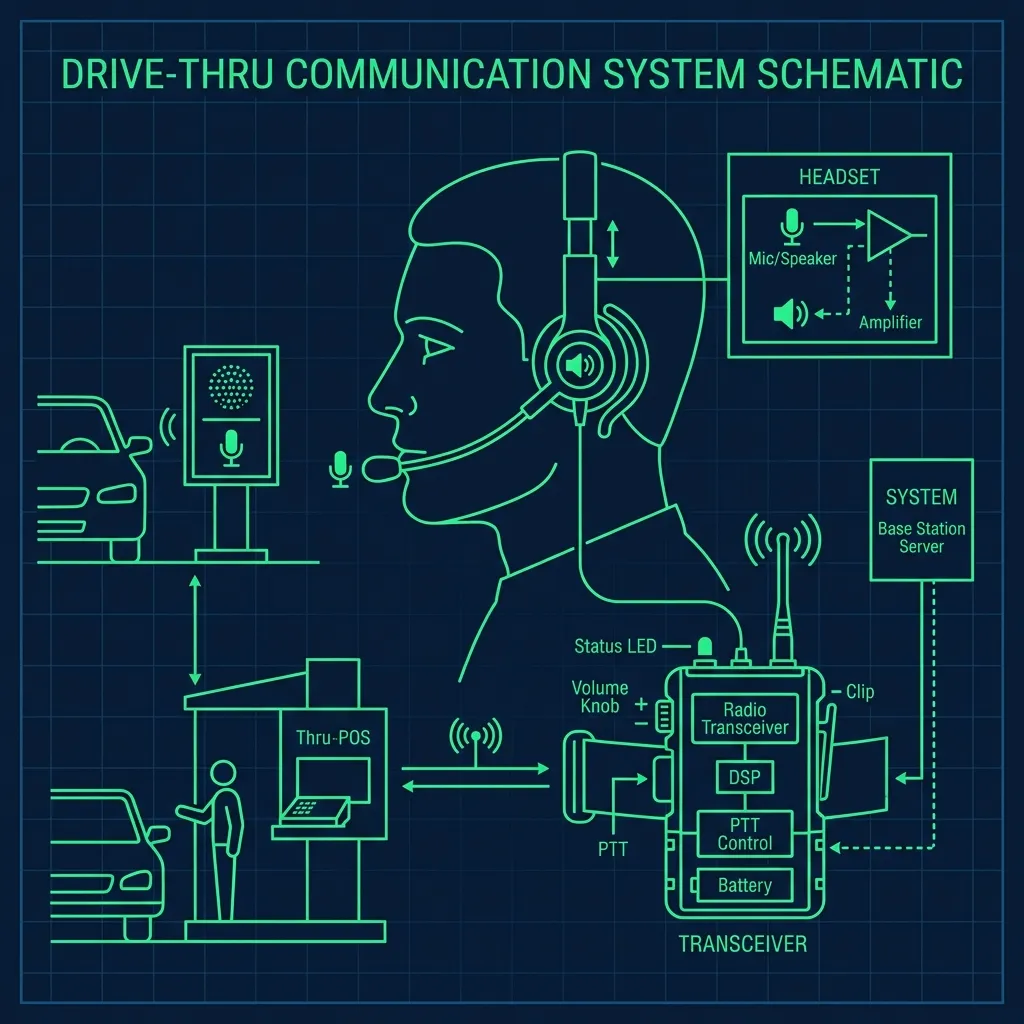
Most Sonic locations also have a traditional drive-thru lane, managed through a separate headset system similar to what you’d find at Taco Bell or McDonald’s. Whether the switchboard operator is also responsible for the drive-thru depends entirely on staffing.
During slow periods, one employee can handle both. During a Happy Hour rush, trying to juggle the switchboard and the drive-thru simultaneously is a recipe for missed orders, long wait times, and angry customers. A good general manager will always schedule a separate drive-thru person during peak, but staffing realities at franchise locations don’t always cooperate.
Pro Tips for New Switchboard Operators
- Develop a mental queue system. When multiple stalls flash at once, mentally note the order they lit up. First in, first served. If you lose track, grab the stall with the longest flash duration.
- Master the POS shortcuts. During Happy Hour, you don’t have time to scroll through menus. Learn the item codes for Route 44 Cherry Limeade, Ocean Water, and the other top sellers so you can punch in orders without looking.
- Use the hold button strategically. It buys you 30 to 60 seconds. Use it to finish a complex order at another stall, but get back to the waiting customer within 30 seconds or they’ll mash the button again.
- Learn which stalls have bad audio. It takes about a week of shifts to memorize which intercoms are clear and which ones are garbage. On the bad stalls, confirm every item back slowly and individually.
Frequently Asked Questions
How long does it take to learn the switchboard?
Most new employees need one to two weeks before they’re comfortable running the board solo. The mechanics—pressing buttons, entering orders—are simple. The multitasking and speed required during peak hours take real practice. Managers typically start new hires on the board during slow periods and gradually move them into busier shifts as their confidence builds.
What happens if a stall’s intercom breaks?
The stall gets marked “Out of Order” with a sign or cone. If a customer parks there anyway and the switchboard doesn’t register their button press, a carhop will usually spot the car while running other orders and take the order manually with a handheld device. Broken intercoms get reported to the franchise’s facilities team, but depending on the location, repairs can take days or even weeks. In the meantime, everyone works around it.
Can one person handle the switchboard and drive-thru at the same time?
During slow periods, absolutely. During peak hours, it’s strongly recommended to have separate employees on each. I’ve watched operators try to juggle both during a Friday Happy Hour, and the result is always the same—long wait times, POS confusion, missed orders, and frustrated customers on both channels.