What is "Mike's Way" at Jersey Mike's (And the Exact Sequence)
If you get hired at Jersey Mike’s, here’s the first thing you need to understand: you’re not just putting cold cuts on bread. Jersey Mike’s built an entire brand around a specific rhythm—fresh slicing, theatrical presentation, and most importantly, finishing every cold sub with a signature flourish called “Mike’s Way.”
If you’re assigned to the sprinkler station (the position adding vegetables and condiments), memorizing the exact Mike’s Way sequence is day-one mandatory knowledge. Do it out of order and you’ll produce a soggy, structurally unsound mess that falls apart in the customer’s hands. Do it right and you’ll understand why this five-ingredient finish has become one of the most recognized signatures in the sub sandwich industry.
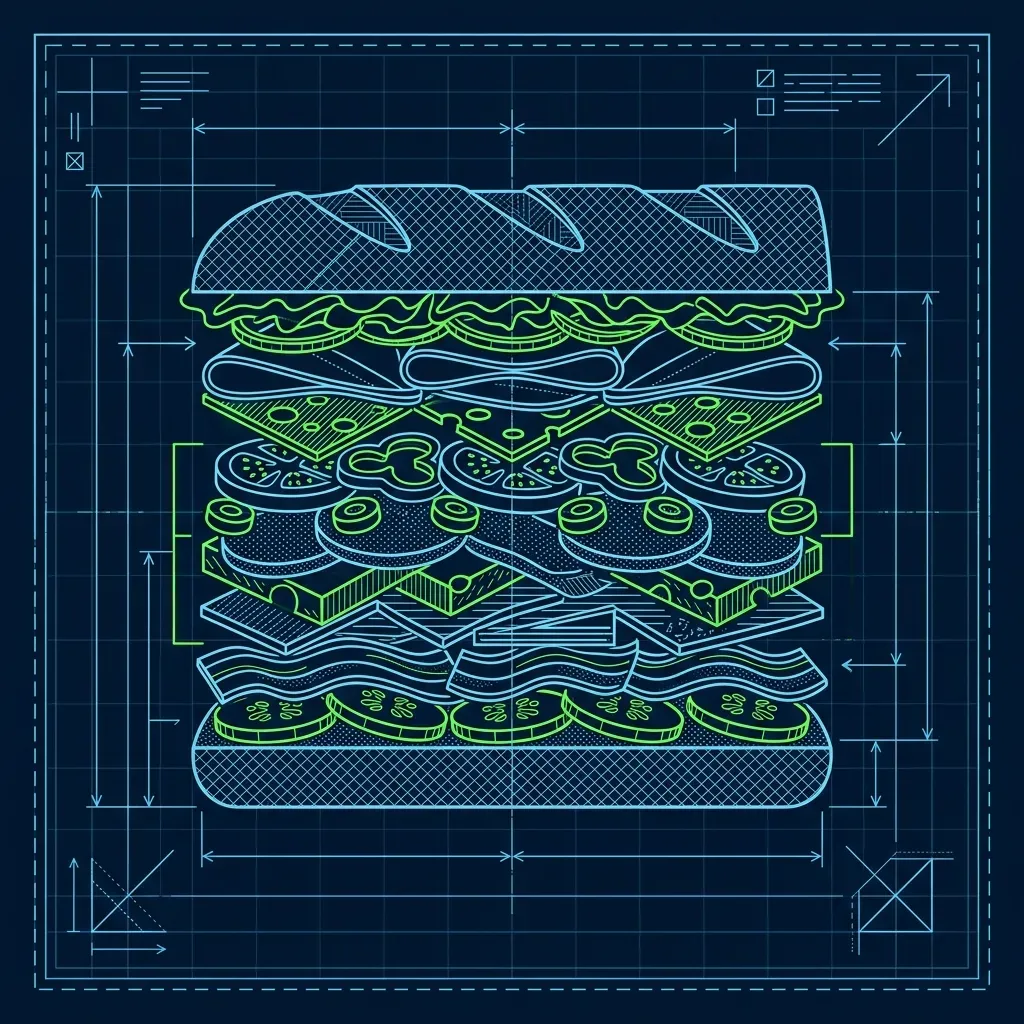
The Exact Mike’s Way Sequence: O-L-T-J-S
Russell’s Note: Forget the fancy gadgets. Give me a sharp 8-inch chef’s knife and a 32oz deli container labeled with blue painter’s tape, and I can run any station.
Russell’s Note: When you’re in the weeds on a Friday night, the last thing you want is a broken line. Turn and burn. That’s the only way you survive until close.
When a customer orders a cold sub “Mike’s Way,” they’re getting five ingredients applied in a non-negotiable order. Here’s the sequence and why each step matters:
- Onions: Thinly sliced white onions go directly onto the meat. They sit against the bread and create a moisture barrier that helps prevent the juice from instantly soaking through to the bottom of the roll.
- Lettuce: Freshly shredded iceberg lettuce is piled generously on top of the onions. The lettuce acts as a structural cushion—it absorbs the juice without turning into a soggy mess, distributing moisture evenly instead of letting it pool.
- Tomatoes: Three to four slices of tomato (depending on sub size) are laid evenly across the lettuce bed. The tomatoes sit on top specifically so the juice can pool against them and slowly drip down through the lettuce layer.
- The Juice: This is the famous part. A splash of Red Wine Vinegar followed by a splash of an Olive Oil blend, applied in a quick zigzag motion over the tomatoes. The zigzag is critical—you want the juice to land on the tomatoes and filter down through the layers, not puddle in one spot and drown the bread.
- The Spices: A dash of dried Oregano and a dash of Salt, sprinkled over the wet tomato surface. The spices stick to the moisture and distribute evenly with every bite.
Memory trick: O-L-T-J-S (Onions, Lettuce, Tomatoes, Juice, Spices). Burn this into your brain. You’ll say it in your sleep after your first week.
Why the Sequence Is Engineered, Not Arbitrary
I’ve seen new hires assume the order doesn’t really matter and try to shortcut the process by putting lettuce on top or adding the juice before the tomatoes. Every single time, the result is the same: a sub that falls apart before the customer reaches their car.
The sequence is structural engineering disguised as sandwich making. If you reverse the tomatoes and lettuce—putting lettuce on top—the juice runs straight off the tomatoes, bypasses the lettuce cushion entirely, and soaks directly into the bread. The bottom of the sub becomes a soggy, disintegrating mess within sixty seconds. If you add the spices before the juice, the oregano and salt land on dry lettuce, fall right through the gaps, and end up in the bottom of the wrapper instead of seasoning each bite.
The tomatoes need to be on top because their flat, wet surface catches and holds the juice momentarily, giving it time to drip down gradually through the lettuce. The onions need to be on the bottom because their firm texture creates a barrier between the meat and the wet layers above. Every ingredient is in its position for a functional reason, and once you understand the physics of it, you’ll never question the sequence again.
The Meat Slicer: Speed, Danger, and Respect
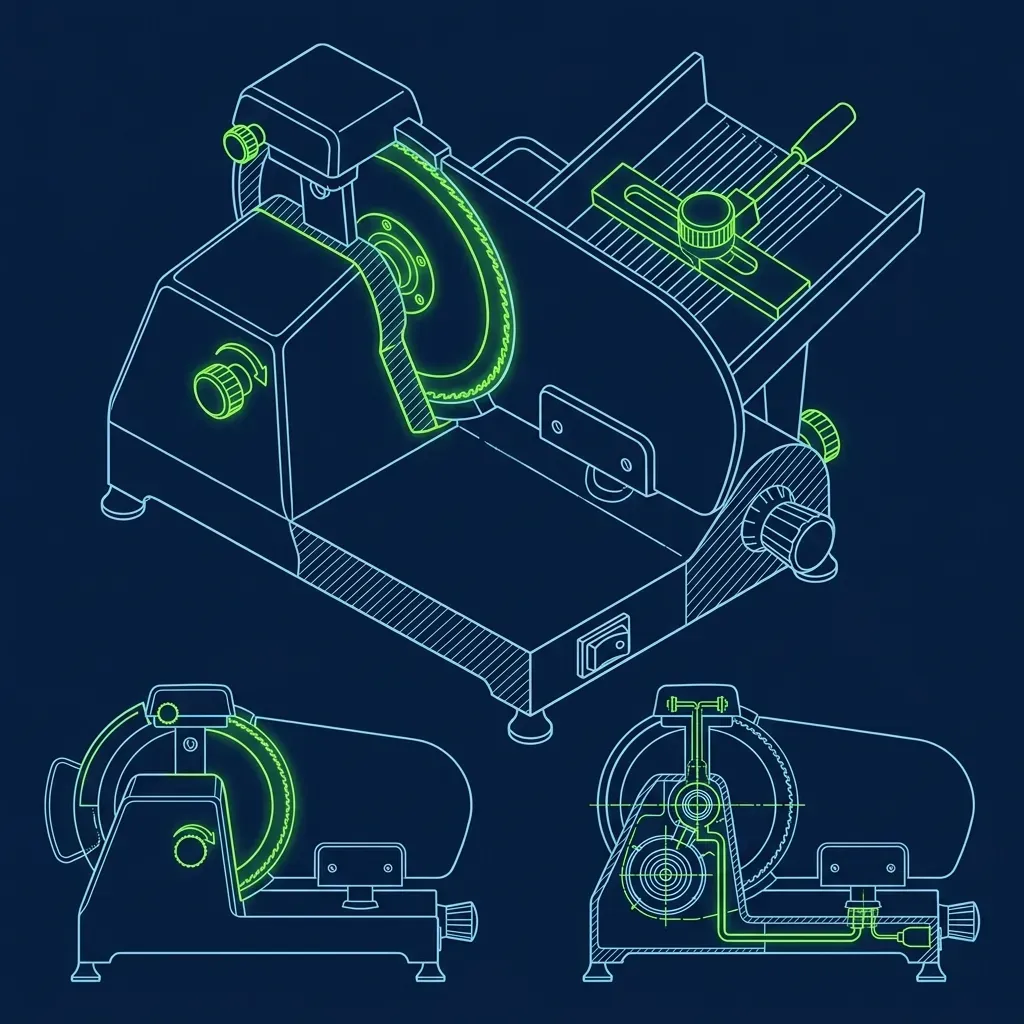
While the sprinkler station is about sequence, the slicer station is about speed and safety—and it’s the most dangerous position in the store. Jersey Mike’s slices all deli meats and cheeses fresh, right in front of the customer, for every single sandwich. There’s no pre-sliced, packaged deli meat anywhere in the operation.
During a Friday lunch rush, the slicer operator is flying. The blade spins at extremely high speed and can slice through skin and bone instantly. The slicer station generates the most workplace injuries at Jersey Mike’s locations, and the safety rules are absolute:
- Never look away from the spinning blade, even while talking to a customer.
- Always use the heavy metal guard to push the meat block into the blade—never your bare hands, not even for “just the last inch” of a turkey breast.
- The blade must be cleaned and sanitized frequently using specialized Kevlar cut-resistant gloves. The cleaning procedure is the most dangerous part, because you’re physically wiping down an exposed, razor-sharp circular blade.
New employees complete a formal slicer safety training before they’re allowed to touch the machine. This covers proper blade thickness adjustment, the correct way to lock the meat clamp, and the cleaning protocol. If you work at Jersey Mike’s long enough, the slicer becomes second nature—but you never stop respecting it. The moment you get casual with that blade is the moment you end up in the ER. I’ve heard too many stories from similar operations like Arby’s to take slicers lightly.
The Rhythm of a Well-Synced Line
During a busy shift, the Jersey Mike’s sandwich line operates like a relay race. The slicer operator cuts the meat and lays it on the bread, then slides the sub down to the sprinkler station. The sprinkler applies Mike’s Way (or whatever the customer requested), wraps the sub in deli paper, and calls out the order.
Both positions have to stay in sync. If the slicer is faster than the sprinkler, subs pile up and the freshly sliced meat starts drying out. If the sprinkler is faster, they stand idle waiting for the next sub. A well-synced line during a lunch rush is genuinely satisfying to watch—customers see their sandwich built from scratch in under two minutes, and that theatrical experience is a massive part of Jersey Mike’s brand appeal.
A busy location can produce 100 to 200 subs during peak lunch (roughly 11:00 AM to 1:30 PM). High-volume stores near office parks push even higher. The speed of the slicer and the efficiency of the sprinkler are the two biggest factors in throughput, and when both positions are staffed by experienced workers, the line hums.
Pro Tips for the Sprinkler Station
- Practice the juice zigzag on an empty sub first. The most common mistake is pouring too heavily. You want one quick pass of vinegar, one quick pass of oil—a light zigzag motion, not a slow pour. If you move too slowly, the bread absorbs too much liquid and the sub becomes a dripping disaster.
- Memorize the sub numbers. Jersey Mike’s subs are numbered—the #13 is the Italian, the #7 is Turkey and Provolone, and so on. Customers frequently order by number, and knowing which meats go with which number saves valuable time and prevents errors during a rush. Keep a cheat sheet in your pocket until you’ve got them locked in.
- Keep your slicer blade sharp. A dull blade tears meat instead of slicing cleanly, creating ragged, uneven slices that look terrible and pile unevenly on the bread. If you notice the slicer pulling or tearing, alert your manager immediately.
Frequently Asked Questions
Can customers get Mike’s Way on hot subs?
Mike’s Way is designed specifically for cold subs. Hot subs like cheesesteaks and grilled chicken have their own toppings and prep methods at the grill station. Some customers will request Mike’s Way toppings on a hot sub, and most stores will accommodate the request, but it’s not the standard preparation and the structural logic doesn’t translate perfectly to hot sandwiches.
What exactly is in “The Juice”?
The Juice is Red Wine Vinegar and a blended Olive Oil. The exact oil blend may vary slightly, but the core ingredients are consistent across all locations. The vinegar provides the tangy bite, and the oil adds richness while helping the spices adhere to the tomato surface. Together, they’re the signature flavor that makes Mike’s Way instantly recognizable.
Is the meat really sliced fresh for every single sandwich?
Yes, and this is non-negotiable. Unlike many sub chains that use pre-sliced, packaged deli meats, Jersey Mike’s slices every portion of meat and cheese to order, directly in front of the customer. The slicer is positioned at the front of the line specifically so customers can see it happening. It’s theatrical, it’s authentic, and it’s a core part of the brand identity that Jersey Mike’s will never compromise on.